What is a low resource language? A low-resource language is a human language that lacks the large digital datasets, large monolingual or parallel corpora and/or manually crafted linguistic resources for building statistical NLP applications.
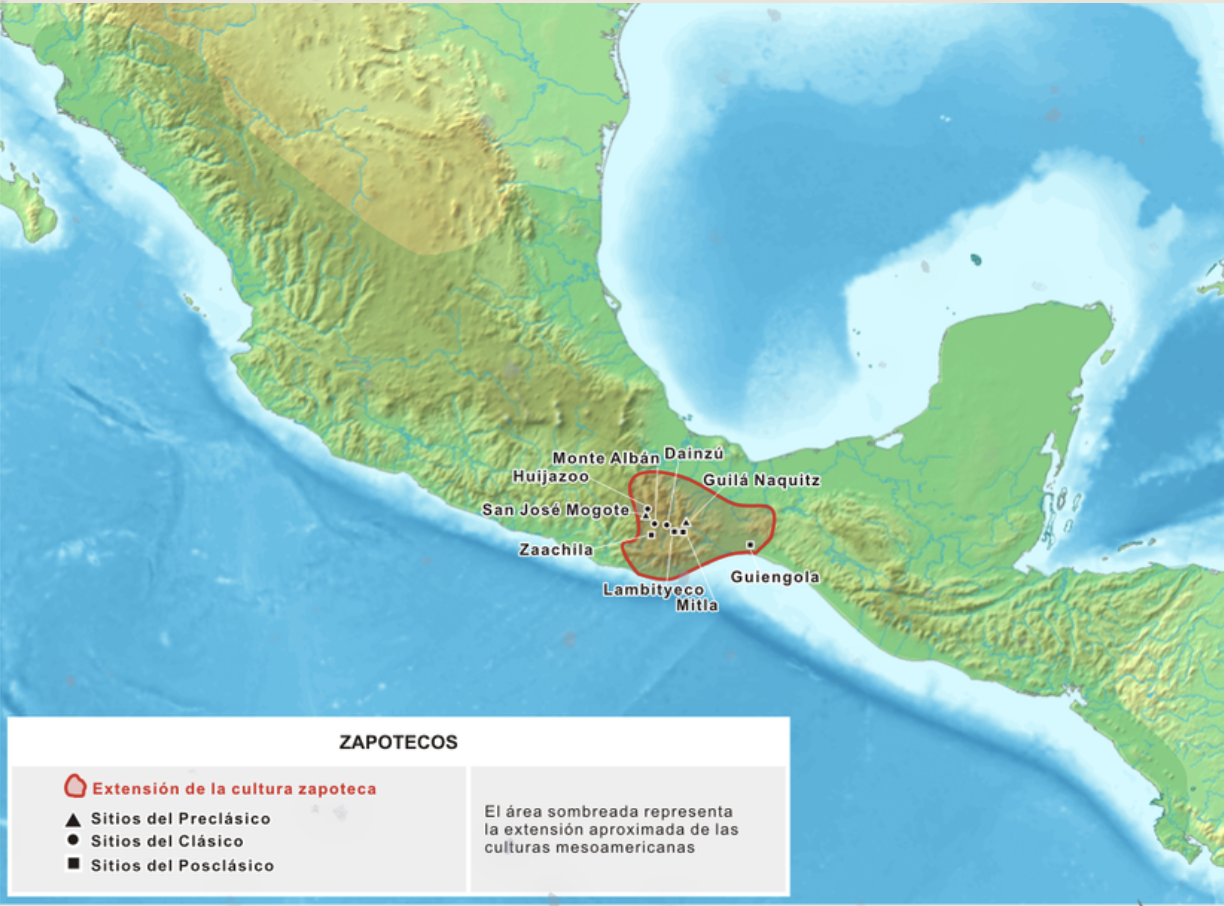
Zapotec is actually not just one language but a group of languages. They’re mainly spoken in Oaxaca, Mexico but also in places like Mexico City, Veracruz, and even the United States, specially in California because of migration. There are about 490,000 speakers recorded and around 62 recognized linguistic varieties but nobody knows the real number because some varieties haven’t been studied.
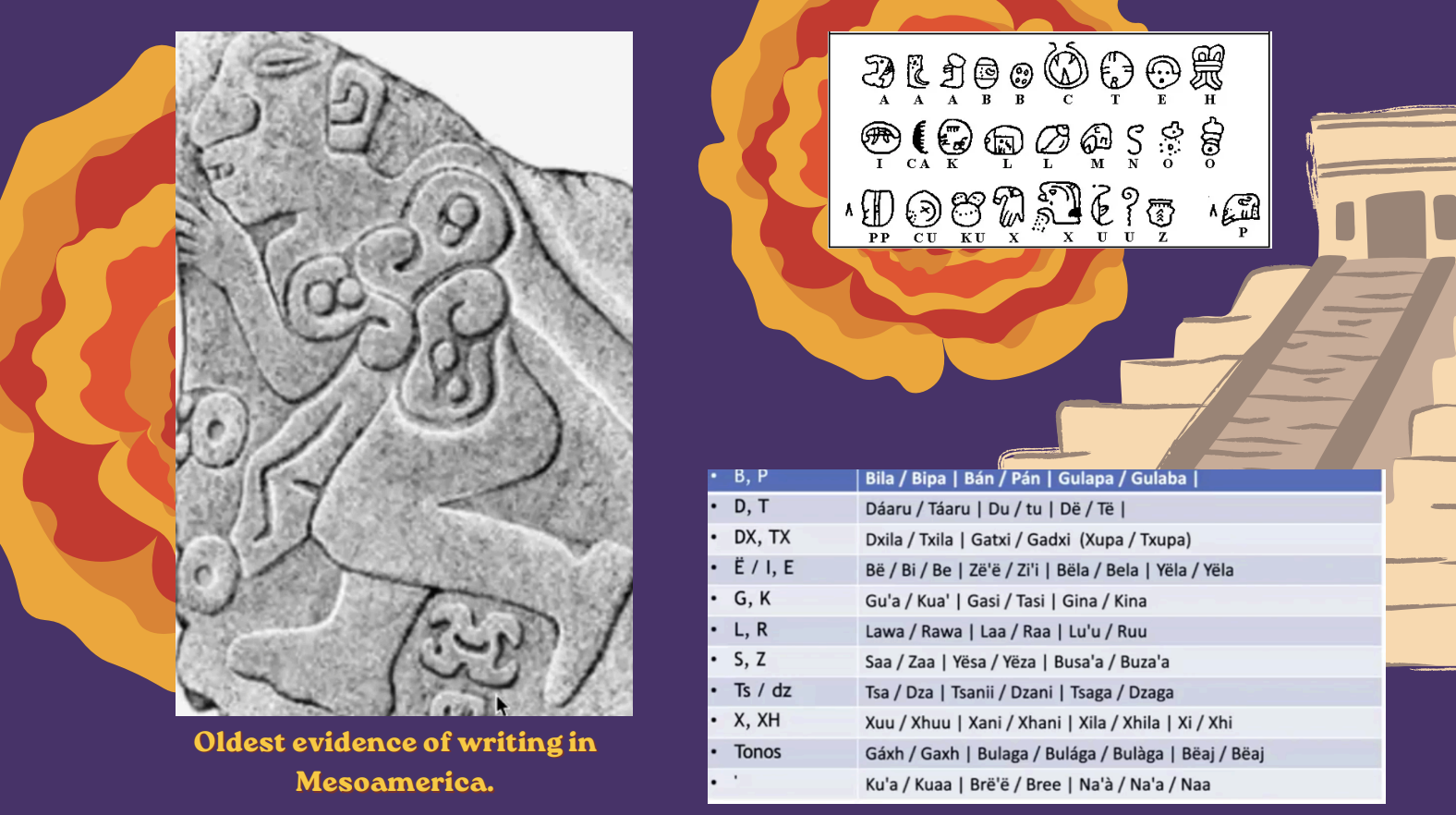
Zapotec belongs to the Oto-Manguean language family, which is one of the oldest in the continent. Soemthing cool about Zapotec is it’s history. The oldest evidence of writing is Mesoamerica actually comes from the Zapotec culture. This writing system is similar to the Mayan writing because it also uses dots to represent numbers and they share some characteristics, but this was very common across Mesoamerican civilizations before colonization. Also, today Zapotec can be written using the latin alphabet like English or Spanish, but there is not a single standard way of spelling, so writing and learning it has become very hard nowadays.
“Some sources attribute the invetion of writing to the Zapotec civilization.”
Linguistically, Zapotec is very different from English. One very big difference is the word order; Zapotec is usually verb-subject-object while English is subject-verb-object. So, instead of saying “She eats apples”, you would say “Eats she apples” which sound a bit backwards. Another big difference is that many Zapotec languages are tonal, meaning that the pitch of your voice can change the measning of a word, Englih does not do that. Also, Zapotec is Agglutinative, but not polysynthetic like Nahuatl. That means taht words are built adding pieces together but not in a complex way, like Nahuatl.
Now, if we think about machine learning, Zapotec is actually really interesting and challenging. For example, because of its tone, models cannot just look at text, they would need to underdstand pitch and sound paterns. The different word order would also confuse any model trained on English. Then there is the word structure. Zapotec uses things like clitics which makes it harder for a model to figure out where a word starts and ends. Finally, the most challengin part is teh different varieties this language has. Models will struggle to generalize and one rule that would apply to one of the variations might not apply to another.
So overall, Zapotec is very interesting historically and it can teach us how diverse languages can be and why some technology building is not as straightforward as one may think.
What other low resource languages are interesting to you and why?